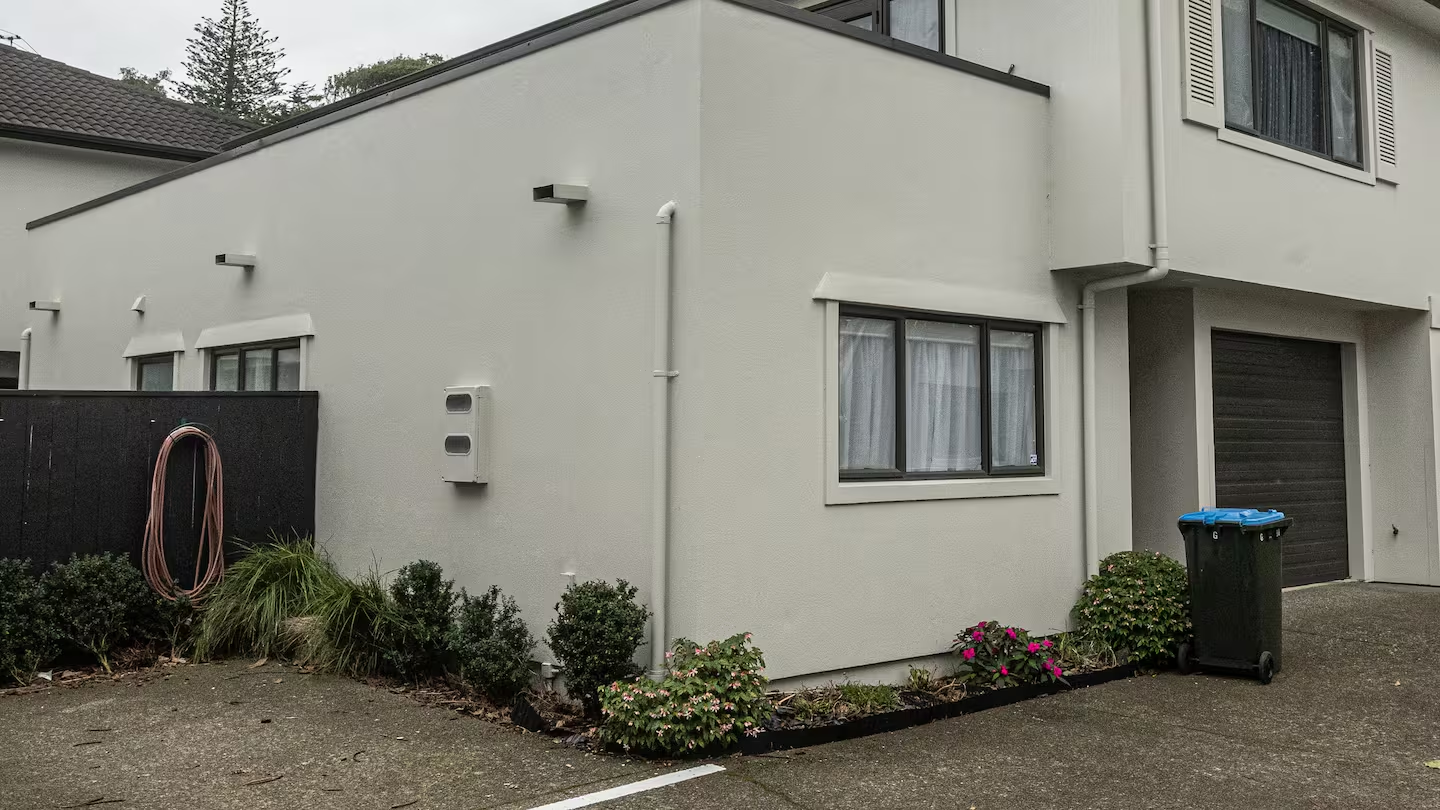
When Priya and Tom went unconditional on a four-bedroom weatherboard in Titirangi, they'd done everything the checklist said: builder's report, LIM, lawyer review. What no checklist covered was the question nobody had to answer.
The agent had seen a reclad quote two listings earlier. The vendors had spent three winters moving buckets in the downstairs bedroom. None of it was hidden, exactly — it just was never asked for in writing, so it was never volunteered.
"We asked at the open home if there were any issues. The answer was 'nothing we're aware of'. Try proving what someone was aware of, verbally, two years later." — Priya
Eighteen months after settlement, moisture readings during a renovation triggered a full invasive inspection. The remediation quote: $495,000 — plus a year out of the house.
The part that stung most
Their lawyer's assessment was blunt: with no written disclosure record, the case against the vendor rested on recollections of a conversation at an open home. They settled for a fraction of the loss.
What would have changed it
A single structured request, in writing, that the agent and vendor each had to answer — or be recorded declining to answer. That timestamped record is exactly what a disclosure request creates.
- What agents legally must tell you (and what they don't have to)
- 10 questions to put in writing before you go unconditional
Names and details changed. General information, not legal advice.